Day 1: Arrive in Addis Ababa, and fly to Arba-minch
On this day. Meet you and fly to Arba-minch and we will visit chamo lake and we will see hippos and crocodiles then back to Arbaminch for launch in the after noon we will visit Dorzie village and its tribe. Night depends on your budget
Day 2: Drive Jinka en route visit Key Afer Market:
After break fast drive to Konso where colorfully costumed dress, impressive terracing of the Land and unusually engraved wooden statues used as grave markers can be seen. Further along the route visit the Woito people live in the area around Woito River and Tsemay village. Continue driving to Jinka for overnight in Jinka Resort Hotel.
Day 3: Jinka- Mursi- Jinka:
After breakfast leave Jinka and drive to Mursi village to visit and appreciate the very attractive culture of Mursi tribe they are renowned for the strange custom followed by their women who, on reaching maturity, have their lower lips slit and circular clay discs inserted. Proceed to Mago National Park. After a picnic lunch, you will have game drive to see big mammals and different species of birds and in the late afternoon drive back to Jinka. Overnight Jinka Resort Hotel but at this time it is not allowed to visit this village,
Day 4: Jinka – Turmi:
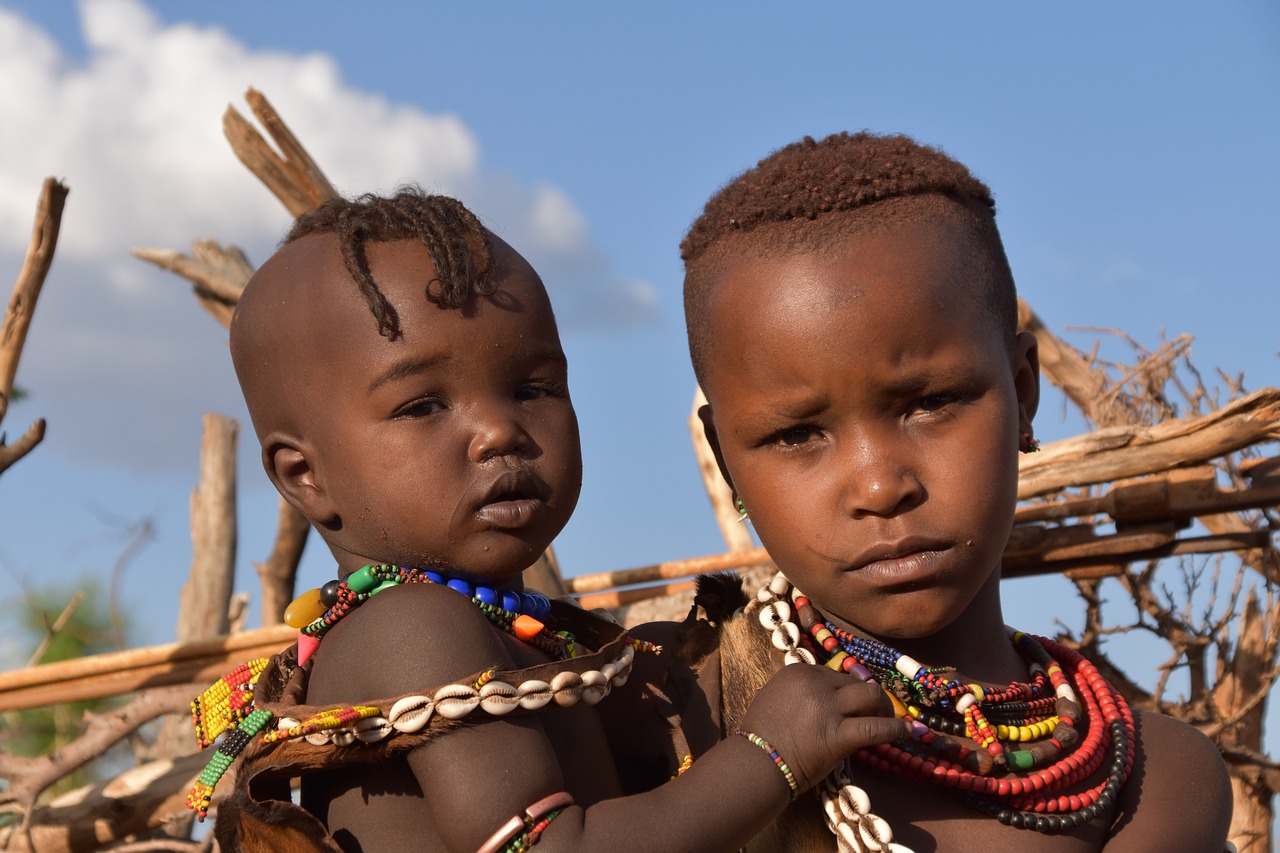
After breakfast drive to Turmi through Dimeka for the visit of Hamer people and their village. Turmi is a small town, which is the base to visit the Hamer village. Overnight camping at Turmi campsite.
Day 5: Turmi – Murulle excursion – Turmi:
After break fast drive to Murule and visit the Karo People. You will be driving through the Hamer village, which is good opportunity to know the way of life of the Hamer people. The Karos are famous for tattooing, scaring and body painting. They reside by the side of the Omo River. After your visit drive back to Turmi for over night..
Day 6: Turmi:
In Morning we drive to Omorate to visit the Gelab (Dassanech) tribe inhabiting the riverbanks of Omo River. We cross Omo River by a small boat and walk fifteen minutes to visit their village The Gelabs are also known for their body painting as their neighboring. In the afternoon drive back to Turmi and visit one of the Hamer villages. Then back to the hotel for over night.
Day 7: Driving to Konso via Arebore,
we will have a stopover at Arebore to visit the tribal people who are semi-nomadic pastoralists. They are known for their different dressing style. On this same Day, we visit a geological formation near a Konso village which really looks like a set of beautiful skyscrapers and is named New York but whose real local name is Gesergio. Additionaly we will have a chance to visit one of the villages with the so-called Generation Stone and see a standing carved wood sculpture (Waga) on the tomb side. Late in the afternoon proceed to Arba Minch for overnight.
Day 8: Arbaminch-Addis Ababa
In the afternoon we will fly to Semera to be ready for Afar trip.
Day 9: Semrra to Ert-Ale,
After breakfast, drive south along Ert Ale range on rough track to the village of kusrewad, located at the base of Erta Ale Volcanic Mountain where the camel truck is to be organized with accompaniment of the pastoralist local Afar. The party will depart at the sunset because of the scorching heat and the total lack of shade. The trek may take around 1 hour and 20 minutes. The Erta Ale crater rises 613m above sea level, its caldera measures 1 km2 at the top and is the only permanent lava lake in the world. at night, the sight of the bizarre bursting lava is absolutely impressive. Night in open air..
Day 10: Berhalie,
Early in the morning walk down to the base camp, After breakfast excursion to Dallol, the lowest point in the Danakil depression (126 meter below the sea level) which boasts one of the most surreal natural landscapes in the world. The sulfurous hot springs that gush in spectrum of color and pave the area with orange colored cone-shaped layers of deposit. Check out the site from which hundreds of Afar painstakingly extract salt bars from the ground and carve to portable size to be shipped by camel caravans to Mekele, the distribution center to the hinterland of the country. night Berhalie,
Day 11: drive Back to semera and fly back to Addis for overnight. ,
Day 12: Addis to Gondar
In the morning Gondar Has A Rich History With Its Beautiful And Strategic Mountain setting, The 17th-Century Capital Was Once The Crossroads Of Several Major Caravan Routes,
And Was Also Occupied By The Italians During World War II. The Art Deco
Buildings Surrounding The Royal Enclosure With Its Medieval Castles And Churches Are A Reminder Of This Heritage. This Afternoon, Explore Gondar’s Castle and The Church Of Debre Berhan Selassie With Its Iconic Ceiling Of Painted Angels
Day 13: Gondar-Sankaber (3250 M), 3-4 Hours
Early Morning We Drive from Gondar To The Park Headquarters In Debark. The 100 Km Journey Will Take Around two Hours. At The Headquarters We Will Arrange Our Permits To The Park And Pick Up Our Scout. After That We Will Drive For Another Hour Before We Start Our First Day Introductory Walk. This First Hike Is An Easy One Along The Northern Edge Of The Escarpment With A Nice View Points Over The Foothills And Plains Of Northern Ethiopia. You Will Encounter Gelada Baboon Along This Hike.
Day 14: Sankaber-Gich (3600 M), 5-6 Hours
We Follow The Northern Escarpment Eastward, Before We Descend A Little Into The Kaba Valley. After That We Climb Up Before We Reach Gich Abyss Over A Narrow Ridge To A Cliff Where We Have A Spectacular View Of The Abyss Towards The Simien Foothills. We Also Find A Large Waterfall Here, Where The Jinbar River Plunges 500 M Into The Abyss. We Proceed For About Two Hours And Have Lunch At The Jinbar River. After Lunch We Walk Through Fields Of Barley Before We Arrive At The Idyllic Village Of Gich. Here We Can Enjoy A Traditional Coffee Ceremony In One Of The Huts And Learn More About Local Farm Life. From Gich Village It Is A Short Walk To Gich Camp Which Is A Good Area To Look For Lammergeyer And Thick Billed Raven.
Day 15: Gich-Chennek (3600m), 7-8 hrs
From Gich camp we initially start off through the same fields of Giant Lobelia as yesterday, but soon we descend into the Jinbahir River Valley. In this way we get a very different perspective of Imet-Gogo and the volcanic landscape, where it looks like big chunks of mountains have been blown away. The trail follows the edge of the escarpment, which is completely vertical here for several hundred meters. We climb to a summit of 4070 m where we will have lunch. After lunch we descend to Chennek for about two hours along a steep trail. From Chennek camp there are spectacular views in all directions. Sit down on abench at the escarpment and try to spot Walia Ibex in late afternoon or early morning. Sometimes Walia Ibex visit the edges of the camp site.
Day 16: Chenek-Buwahit, 5-6 hrs
Climb the second highest peak in the Simien mountains Buwahit (4430m) rewarding with one of the endemic wild animals in Ethiopia particularly in the Simien mountains called Walia Ibex (a goat family), in addition to the scenic views of surroundings including the chance to see the highest mountain peak in Ethiopia Ras-Dejen (4543m) and back down to chenek camp night camping at the same day you will drive back to Gondar for overnight.
Day 17, fly back to Addis
On this day we will visit some sightseen in Addis. Like Intoto hils, National Museum and friend ship park etc.
Day 18, fly back to home.