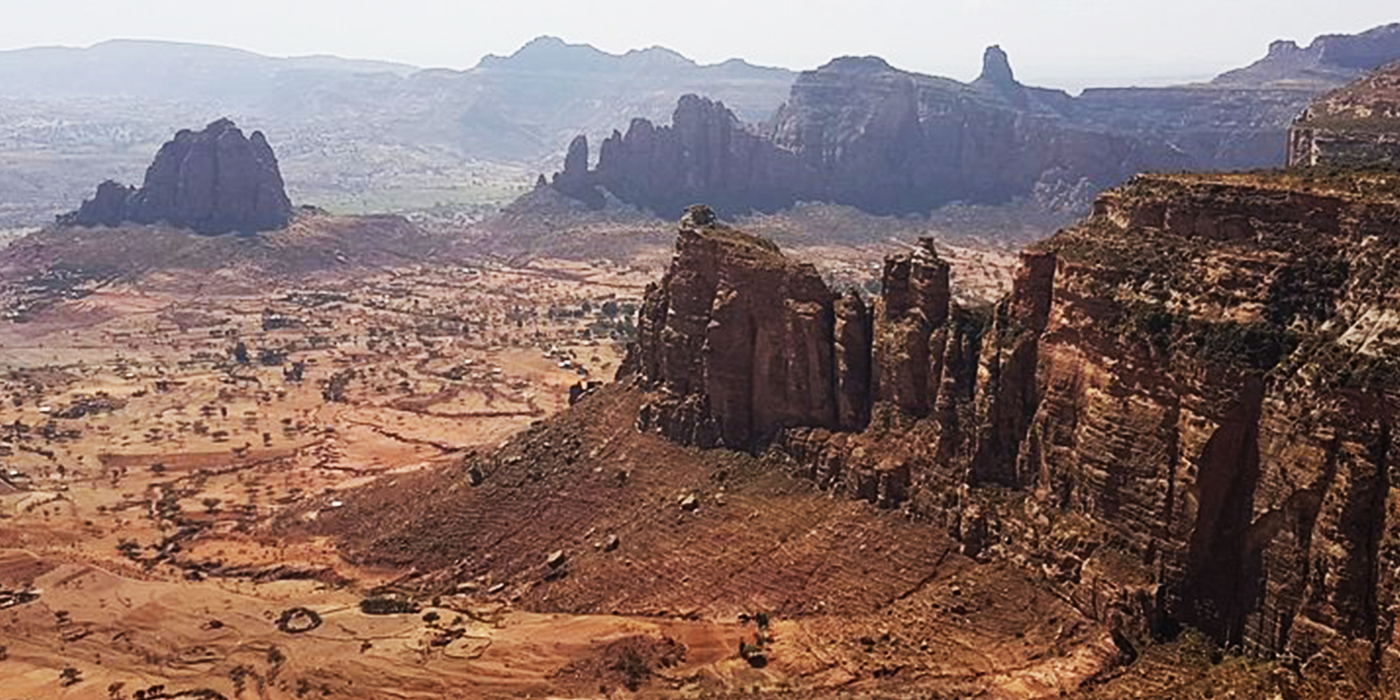
The Best of Axum 3 Days tour takes you through the heart of Ethiopia’s ancient Aksumite civilization, a UNESCO World Heritage treasure known for its towering obelisks, sacred churches, royal tombs and legendary heritage. Over three days, you will explore historic stelae, the Queen of Sheba’s remains, the holy St. Mary of Zion Church believed to house the Ark of the Covenant and vibrant local culture. This tour offers an unforgettable blend of archaeology, spirituality and living tradition in one of Africa’s oldest cities.
Day 1: Arrival and Introduction to Ancient Axum
Upon arrival at Axum Airport, you will be met and transferred to your hotel for a short briefing about the historical significance of the ancient Aksumite Empire. Your exploration begins with a visit to the Northern Stele Field, a UNESCO World Heritage Site known for its towering obelisks, including the famous Obelisk of Axum and the colossal Great Stela. After taking time to understand the engineering marvels of the stelae and the burial customs of the time, you proceed to the Axum Archaeological Museum where ancient artifacts, coins, and royal treasures are displayed. In the afternoon, you continue to the Queen of Sheba’s Bath, a centuries-old reservoir still in use today, followed by a tour of the Queen of Sheba’s Palace, also known as Dungur Palace. The day ends with dinner at a local restaurant and an overnight stay in Axum.
Day 2: Churches, Ark of the Covenant and Royal Tombs
The morning begins with a visit to the sacred St. Mary of Zion Church complex, where you explore both the Old St. Mary Church, believed to date back to the fourth century, and the newer cathedral. You will also walk around the Chapel of the Ark, the highly revered site where Ethiopian tradition holds that the Ark of the Covenant is kept, although entry is restricted. After immersing yourself in Axum’s religious heritage, the journey continues to the Tombs of King Kaleb and King Gebre Meskel, located on a hilltop that offers panoramic views of the surrounding landscape. Later, you visit the Ezana Stone, often referred to as Ethiopia’s Rosetta Stone due to its trilingual inscriptions in Ge’ez, Sabaean and Greek, before continuing to Abba Pentalewon Monastery, which requires a short hike and provides beautiful scenery and photography opportunities. The day concludes with a traditional dinner and another overnight stay in Axum.
Day 3: Cultural Experiences and Departure
Your final day begins with a walk through Axum’s vibrant local market, where you can browse spices, textiles, incense and handmade crafts. You may also take part in an Ethiopian coffee ceremony hosted by a local family or cultural center, offering a warm insight into Axumite hospitality and tradition. After some leisure time for shopping or photography, you will be transferred to Axum Airport for your departure, marking the end of your journey through one of Africa’s oldest and most influential civilizations.
Important Tips for Travelers
1. Dress Respectfully at Religious Sites: Light, modest clothing is required when entering church areas. Women may need to cover their hair when visiting St. Mary of Zion.
2. Photography Rules: Pictures are allowed in most historical sites, but photography around the Chapel of the Ark and inside churches is not permitted.
3. Weather Considerations: Axum is generally warm during the day and cooler at night. Bring light clothing, a hat, sunscreen and a light jacket for evenings.
4. Altitude Awareness: Axum sits at around 2,100 meters above sea level. Walk slowly on the first day and stay hydrated to avoid altitude fatigue.
5. Cash & Connectivity: ATMs may not always be reliable. Carry some Ethiopian Birr. Mobile connectivity can vary, especially at hilltop sites.
6. Respect Local Customs: Axum is a deeply spiritual city. Be mindful of religious ceremonies, traditional processions and church etiquette.
7. Footwear: Comfortable walking shoes are essential, as many sites involve uneven terrain and short hikes.